
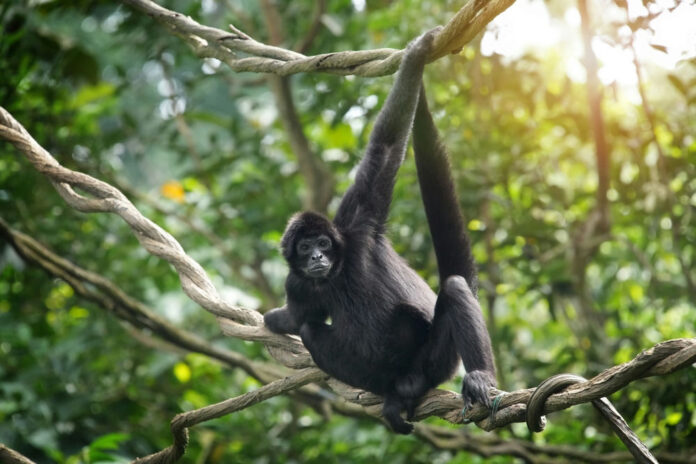
Monkeys in tourist hotspots have evolved into shrewd negotiators, deliberately stealing valuables like iPhones and sunglasses not to use them, but to hold them hostage until tourists hand over food.
When Begging Becomes Blackmail
The monkeys lurking around Gibraltar’s tourist areas have cracked a code that would make any con artist proud. Chris Packham, a veteran BBC naturalist, went undercover to document what locals already knew: these Barbary macaques aren’t just opportunistic thieves. They’re running a sophisticated racket. Within an hour of observation, Packham watched sunglasses vanish mid-narration and witnessed a phone disappear into furry hands. The monkeys don’t grab food when it’s available. They snatch flip-flops, hats, and smartphones because they’ve learned these items have negotiating power. Call it primate entrepreneurship with a criminal twist.
The Tourist Trap Nobody Asked For
This isn’t random mischief. The monkeys demonstrate selective intelligence that should concern anyone who thinks wildlife tourism is harmless fun. They’ve mastered the art of targeting high-value items, understanding that an iPhone commands more food than a half-eaten sandwich. Packham’s investigation revealed the monkeys actively avoid taking food directly, instead holding stolen property until tourists offer edibles in exchange. This behavior pattern matches documented cases in Bali and other primate tourism zones, where long-tailed macaques employ identical strategies. The cognitive leap required for this deception, using objects as leverage rather than tools, places these monkeys in an elite category of animal intelligence.
The Price of a Selfie
Tourists bear the immediate financial burden, replacing stolen phones and sunglasses, but the long-term damage runs deeper. Every successful food-for-phone exchange reinforces the behavior, teaching younger monkeys that humans are walking vending machines activated by theft. Local communities face mounting pressure as aggressive monkey encounters escalate and tourism appeal erodes. The economic calculation becomes stark: short-term revenue from monkey-seeking visitors versus long-term costs of managing increasingly bold primates. Wildlife authorities face impossible choices between relocation, population control, or letting the problem fester. None of these options address the root cause, which sits squarely with human behavior.
Enablers With Cameras
Packham’s assessment cuts through the cute-animal narrative with unflinching accuracy. He calls them “liars, cheats, and hustlers,” but reserves his real critique for the system that created them. Tourists seeking Instagram moments feed monkeys despite warnings, treating wildlife like performers rather than wild animals. This provisioning transforms natural foraging behavior into dependency, then exploitation. The monkeys aren’t villains; they’re adapting to incentives humans created. The power dynamic is perversely backwards. Humans with superior reasoning skills allow monkeys to manipulate them through simple conditioning. Each negotiation teaches monkeys that theft works, that humans will capitulate, that consequences don’t exist. Breaking this cycle requires tourists to exercise the discipline they claim to value.
Breaking the Ransom Cycle
The solution exists but demands commitment most tourists lack: stop feeding wildlife under any circumstances. No negotiations, no ransoms, no exceptions for “just this once” photo opportunities. Gibraltar’s situation illustrates a broader wildlife tourism crisis playing out globally wherever humans and primates intersect. The monkeys will eventually revert to natural foraging if the food incentive disappears, though the transition period promises increased aggression as learned behaviors face extinction. Wildlife authorities need enforcement teeth, not just warning signs tourists ignore. Until visitors face real consequences for feeding monkeys, the ransom economy will thrive. These aren’t cartoon characters; they’re wild animals we’ve trained to hustle us, and we have only ourselves to blame for the lesson plan.