

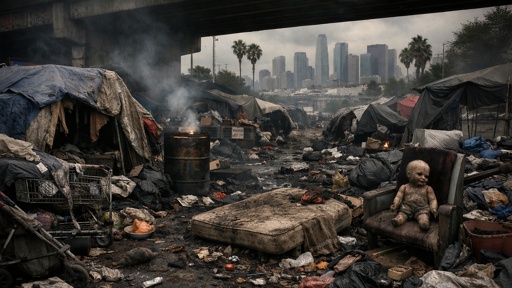
Illinois Democrats push a radical bill to strip local governments of authority, forcing public parks statewide to host homeless encampments and eroding community control over cherished green spaces.
Bill Targets Local Authority on Public Lands
House Bill 1429, titled the Local Regulation of Unsheltered Homelessness Act, directly challenges Illinois municipalities. The legislation prohibits towns, cities, park districts, and forest preserves from fining or criminally punishing homeless individuals for sleeping, eating, storing property, or sheltering in public parks and spaces. Sponsors, led by House Speaker Chris Welch and 20 other Democrats, introduced the bill early in 2026. It defines these as protected “life sustaining activities,” with no exclusions for alcohol use or sanitation violations. Local leaders lose enforcement tools overnight if enacted.
Response to Supreme Court Ruling Sparks Backlash
The U.S. Supreme Court’s 2024 Grants Pass v. Johnson decision affirmed cities’ rights to penalize outdoor sleeping, reversing prior restrictions. Illinois Democrats responded with HB 1429 to override this federal green light. Chicago Coalition for the Homeless and 872 supporting organizations filed witness slips, claiming fines create criminal records that block housing access. Yet precedents like Chicago’s park tent cities reveal the reality: unsanitary conditions, needles, and hazards that endanger families and taxpayers. The Chicago Tribune labeled these encampments “unsafe, untenable, and unchanging.”
Stakeholders Clash Over Home Rule Erosion
Supporters argue decriminalization aids housing pathways by removing penalties. House Speaker Welch wields Democratic legislative power to advance the measure. Opponents, including the Illinois State Association of Counties, decry the loss of local control essential for public safety and sanitation. Counties emphasize the bill provides no new shelters, merely mandating tolerance of encampments. This pits state-level advocates against municipal leaders who manage parks for all residents, not just the unsheltered. Tension builds as home rule—a cornerstone of local governance—faces direct assault.
Park districts and forest preserves stand to suffer most, with strained budgets for constant cleanups and diminished recreational access for families.
New Illinois Bill Pushed By Dems Would Override Local Rules on Homeless Encampments in Parks and Public Spaces https://t.co/TF3tszfdsc #gatewaypundit via @gatewaypundit
— Kittygiggle (@SaraiAdams7743) April 22, 2026
Potential Impacts Burden Taxpayers and Communities
Short-term effects include immediate encampment growth as enforcement ends, forcing locals to absorb cleanup costs without state aid. Long-term, mandated tolerance shifts public spaces from family playgrounds to unmanaged zones, heightening crime and health risks. Economic strain hits municipalities hard amid already rising taxes from past Democratic overspending. Socially, safe parks vanish, frustrating working families who value order and self-reliance over government-enabled chaos. Politically, the bill exemplifies overreach, ignoring root causes like failed welfare policies while undermining local decision-making.
Sources:
Illinois bill would override local law to allow homeless living in all public parks
Illinois homelessness bill rights act local control encampments supreme court ruling
Pending Illinois bill would override local law to allow homeless living in all public parks