
Erika Kirk criticized journalists for prioritizing video footage over personal safety during an assassination attempt on President Trump at the White House Correspondents’ Dinner, accusing them of breaking journalism’s fundamental rule by inserting themselves into the story.
Chaos at the White House Correspondents’ Dinner
A suspect sprinted through a security checkpoint at the Washington Hilton on Saturday night and shot a Secret Service agent in his bulletproof vest. The incident triggered immediate evacuation procedures as Trump and other dignitaries were rushed away by armed officers. Kirk, who attended the event, was captured on camera visibly distressed and crying, saying she just wanted to leave the scene.
Kirk Questions Media Priorities
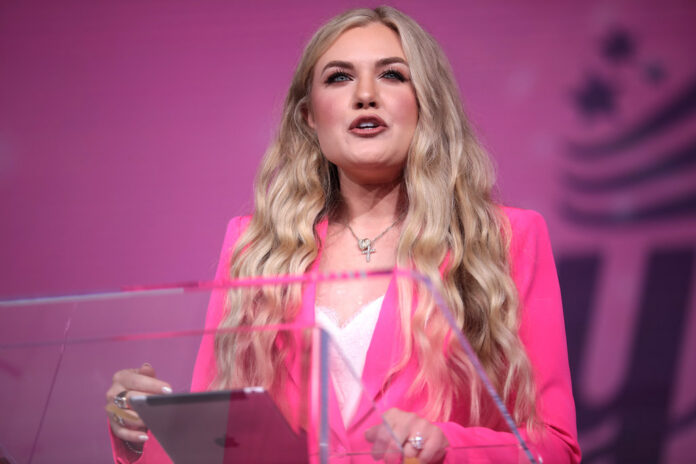
Speaking Wednesday on The Charlie Kirk Show, the program still bearing her late husband’s name after his 2025 assassination, Kirk explained she attended the dinner specifically to confront journalists who had attempted to dehumanize her. She wanted face-to-face conversations rather than coverage about her. Kirk then pivoted to condemning reporters’ behavior during the shooting, noting attendees had no way of knowing the shooter’s status, how many attackers existed, or the true nature of the threat.
Kirk stated journalists used their phones to capture video during the active shooting situation, potentially filming their own deaths. She argued their fight-or-flight response became secondary to inserting themselves into the story, which she identified as breaking journalism’s number one rule. She suggested many reporters had become so desensitized that documenting the event took priority over personal survival instincts.
Journalists Defend Documentation Duty
White House Correspondents’ Association president Weijia Jiang, who sat beside Trump when shots rang out, shared her firsthand account of the incident. Jiang and many journalism professionals viewed documenting the unfolding event as a professional duty rather than a violation. Cellphone footage from attendees helped journalists provide comprehensive coverage of the assassination attempt. The fundamental disagreement centers on whether journalists should witness and record major news events they’re experiencing firsthand, or whether doing so constitutes becoming part of the story itself.