

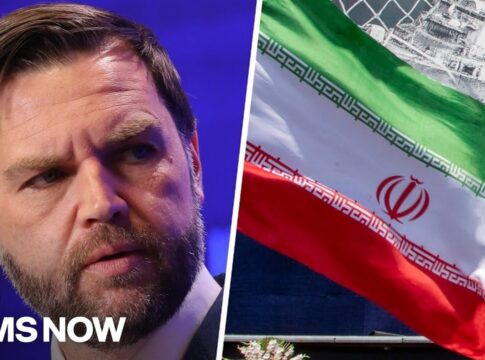
Vice President JD Vance departed for Pakistan ahead of critical negotiations aimed at securing a permanent nuclear agreement with Iran, marking a significant diplomatic push by the Trump administration to reshape Middle Eastern security arrangements.
High-Stakes Diplomatic Mission
Vance’s trip to Pakistan positions the South Asian nation as a key intermediary in the ongoing efforts to broker a lasting deal with Tehran. The visit comes as Iran has signaled new conditions ahead of peace talks with the United States, complicating what many observers already viewed as a challenging negotiation process. Pakistan’s historical ties to both Washington and Tehran make it a strategic location for preliminary discussions before direct negotiations commence.
Iran Sets New Preconditions
Iranian officials have announced additional conditions that must be met before substantive peace talks can begin, according to diplomatic sources. These new demands add complexity to an already delicate situation following recent tensions between Washington and Tehran. The nature of these conditions was not immediately disclosed, but they represent a potential obstacle to the administration’s goal of achieving a comprehensive agreement that addresses nuclear capabilities, regional influence, and economic sanctions.
Regional Security Implications
The diplomatic initiative occurs against a backdrop of heightened Middle Eastern tensions. Ukrainian President Volodymyr Zelenskyy recently disclosed that Ukrainian forces shot down Iranian Shahed drones in Middle Eastern countries during recent conflicts, underscoring Iran’s regional military reach. The revelation highlights the interconnected nature of global security challenges and the potential spillover effects of Iranian military technology.
What Comes Next
The success of Vance’s Pakistan visit could determine whether direct negotiations between American and Iranian officials move forward. Analysts suggest that any permanent deal would need to address Iran’s nuclear program, ballistic missile capabilities, and support for proxy forces throughout the region. The administration faces the challenge of securing an agreement that satisfies national security concerns while navigating domestic political considerations and maintaining support from regional allies including Israel and Saudi Arabia.