
The loudest claim about Zohran Mamdani and a “sabotaged” Navy parade collapses the moment you line it up against the actual facts.
Story Snapshot
- New York City Mayor Zohran Mamdani skipped the Israel Day Parade, breaking a six-decade mayoral tradition.
- One partisan article recast that choice as “sabotage” of a supposed giant United States Navy parade.
- No reporting, records, or witnesses link Mamdani to canceling or gutting any United States Navy parade.
- Mamdani publicly ordered extra police and tight security so the Israel Day Parade could go forward safely.
How a boycott of the Israel Day Parade became a Navy “sabotage” story
New York City’s Israel Day Parade has run along Fifth Avenue since the 1960s, and mayors have treated marching in it as almost automatic. This year, Zohran Mamdani broke that pattern. He said in his campaign that he would not attend and repeated that promise from City Hall, arguing that his views on the Israeli government made marching impossible. That stance triggered sharp criticism from Jewish leaders and lawmakers, who called his absence a disgrace and a political statement, not just a scheduling choice.
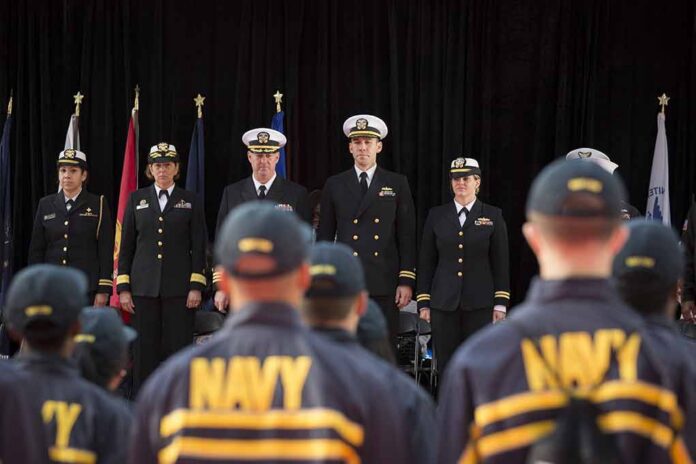
While that fight played out, a conservative site, Red State, reached for a hotter frame. Its article claimed Mamdani was “accused of sabotage” and that he gutted “the biggest United States Navy parade in 50 years.” The headline pulled together three powerful ideas in one punch: New York City, the United States military, and the word “sabotage.” For many readers, especially those who skim fast, it suggested Mamdani had moved against the Navy itself, not just skipped a contentious Israel-focused event.
What the record actually shows about Mamdani and the parade
Mainstream outlets, from the New York Times to national television networks, tell a very different and much simpler story. They report that the event at issue was the Israel Day Parade, a long-running celebration of Jewish identity and support for Israel, with floats, flags, and tens of thousands of marchers. Coverage describes it as a major political ritual, one that governors, state legislators, and other city officials attended this year, while Mamdani stayed away in protest.
Those reports agree on key points. Mamdani did not show up. He broke about sixty years of mayoral tradition. He linked his absence to his opposition to the Israeli government and his backing of Palestinian rights. They also note that attendance was strong, not weak. Large crowds lined Fifth Avenue. Other elected leaders marched, and organizers called the event peaceful and energetic. Nothing in that reporting suggests a United States Navy parade was scheduled, shrunk, or canceled that day.
Security pledges and the gap between “sabotage” and reality
The word “sabotage” implies an active effort to damage or stop something. The hard evidence points the other way. In a press briefing before the parade, Mamdani laid out a detailed security plan. He said the city had prepared for weeks to keep the route safe, that uniformed officers would cover the entire area, and that specialized counterterrorism and intelligence units would be in place. He stressed there were no specific threats but that police would arrest anyone who tried to disrupt the event or enter the route without authorization.
Zohran Mamdani Accused of Sabotage: How NYC’s Mayor Gutted the Biggest US Navy Parade in 50 Yearshttps://t.co/7K6dANneay
— RedState (@RedState) July 13, 2026
Those actions look like a mayor doing his job: separating his personal boycott from his duty to protect a permitted public gathering. You do not boost police presence, deploy special units, and promise arrests for troublemakers if you aim to “gut” a parade. From a common sense, conservative view that values public order and respect for institutions, the behavior matches law-and-order priorities, even if one strongly disagrees with his decision not to march.
Conservative values, patriotism, and the power of military symbolism
Many American conservatives place the United States military near the top of their list of respected institutions. That makes any headline hinting that a mayor sabotaged a giant Navy parade emotionally charged. Yet, the facts show no such parade, no United States Navy complaint, and no organizer accusing Mamdani of interference. The only documented event is the Israel Day Parade, grounded squarely in Middle East politics and American Jewish life, not in naval ceremony.
Calling that dispute “sabotage” of a Navy parade stretches the truth past breaking. It trades real but debatable political choices—like skipping a controversial parade—for a story about betraying the troops that the record does not support. For readers who care about truth, national pride, and clear lines between protest and subversion, that kind of exaggeration weakens the argument against Mamdani instead of strengthening it.
Why this kind of conflation matters beyond one mayor
This case fits a wider pattern in modern politics. Partisan outlets often inflate a real controversy by tying it to national symbols that carry more emotional punch, such as the flag or the military. When a boycott of one parade becomes a claim about sabotaging a different, more patriotic event, it invites voters to react to the story they imagine, not the facts they can verify. Serious conservatives who worry about rising misinformation have warned that such tactics corrode trust, even among their own supporters.
In the end, voters may still judge Mamdani harshly for snubbing the Israel Day Parade. Many see the event as a show of solidarity during a time of fear and antisemitism, and they expect their mayor to stand with that community even when he dislikes a foreign government. But a fair judgment starts from what actually happened: he refused to march, he explained why, and he ordered strong security so the parade could go forward. There is no hard evidence that he sabotaged a Navy parade or gutted it from behind the scenes.
Sources:
redstate.com, reddit.com, nbcnewyork.com, pix11.com, facebook.com, eipartnership.net