

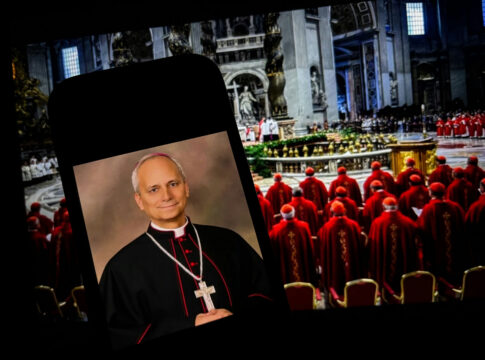
Pope Leo XIV’s embrace of synodal processes risks elevating procedural dialogue over unchangeable Catholic doctrine, sparking concerns among faithful Catholics that core teachings may be compromised through endless committee discussions.
Vatican’s Synodal Experiment Raises Doctrinal Red Flags
Pope Leo XIV convened an extraordinary consistory in January 2026, implementing reformed synodal processes that featured small-group discussions among cardinals rather than traditional speeches. The Vatican emphasized that cardinals discussed “the necessity for guidelines and reference points” for implementing synodality.
However, Leo’s decision to hold annual consistories excludes laity entirely, since these gatherings include only cardinals. Critics note he could have established annual synods with lay participation instead, revealing a gap between synodal rhetoric and reality. This approach suggests that the process may be prioritized over substantive doctrinal protection.
German Bishops Push Radical Agenda Under Synodal Cover
The German Synodal Way, launched in 2019 following sexual abuse revelations, has become synodality’s most controversial expression. German bishops produced resolutions calling for dramatic revisions to established Church teachings on homosexuality, women’s ordination to the diaconate, priestly celibacy, and transgender practices. In late February 2026, the German bishops’ conference elected Bishop Wilmer as president, a known proponent of the Synodal Way agenda. This signals continued momentum for doctrinal changes despite Vatican interventions. Cardinal Rainer Maria Woelki withdrew entirely from the Synodal Way, declaring, “for me, the Synodal Way is over,” highlighting deepening divisions within German Catholicism over these radical proposals.
Doctrinal Ambiguity Creates Institutional Crisis
Bishop Athanasius Schneider issued a stark warning about what he termed “ecclesial cancer—specifically, the ecclesial cancer of doctrinal and liturgical ambiguities.” Cardinal Joseph Zen condemned synodality as “ironclad manipulation” that insults the dignity of bishops. These traditionalist voices reflect growing concern that synodal processes create deliberate ambiguity, allowing progressive bishops to claim mandates for doctrinal changes. The Vatican’s Study Commission on the Female Diaconate voted against ordaining women deacons in December 2025, deferring the matter to “further theological and pastoral study.” This pattern of endless study and dialogue raises questions about whether definitive doctrinal positions can survive the synodal era.
Papal Statements Conflict With Synodal Momentum
Pope Leo declared in February 2026 that “the Gospel does not submit to any culture,” warning that inculturation cannot become “relativistic accommodation.” He has voiced cautious skepticism about whether Germany’s Synodal Way truly represents all German Catholics, emphasizing that different expressions of synodality should not cause rupture. Yet his actions tell a different story.
In February 2024, as then-Bishop Prevost, Leo helped force German leaders to suspend voting on a joint decision-making body of bishops and laity. Now, as pope, he permits the German process to continue while awaiting Vatican approval for proposed synodal structures. This ambiguous approach frustrates faithful Catholics seeking clear doctrinal leadership.
Process Threatens Timeless Truth
The fundamental problem with elevated synodal processes is that Catholic doctrine is not subject to committee votes or cultural accommodation. Truth revealed by Christ through Sacred Scripture and Sacred Tradition cannot be revised through dialogue, regardless of how inclusive the process appears. Pope Francis himself warned in 2023 that Germany’s Synodal Way was led by “elites” guided by “ideological principles rather than the Holy Spirit.” The German bishops’ conference now awaits Vatican recognition of synodal conference structures, with Bishop Franz-Josef Overbeck scheduled for clarification talks in Rome. Whether Rome approves these structures will signal whether institutional innovations can eventually pressure doctrinal change globally, setting dangerous precedents for national churches worldwide.
Leo XIV is pushing the synodal error that process trumps truth – https://t.co/yZdd5OQETN
— Novus Ordo Watch (@NovusOrdoWatch) February 26, 2026
Reform-minded Catholics view Leo’s approach as insufficient modernization, while traditionalists see synodality itself as threatening doctrinal integrity. Bishops face pressure from Rome’s doctrinal expectations and their congregations’ reform demands.
Meanwhile, lay Catholics remain largely excluded from formal decision-making despite participation rhetoric. The outcome of Vatican approval of German synodal structures will determine whether synodality becomes a consultative mechanism that respects doctrinal boundaries or a revolutionary process that subordinates eternal truth to temporal dialogue. Faithful Catholics rightly demand that their Church leaders prioritize unchanging doctrine over fashionable processes that risk compromising 2,000 years of apostolic teaching.
Sources:
Does Pope Leo Want Synodality Without the Laity? – Religion News Service
Exclusive: Bishop Schneider Appeals – Diane Montagna Substack
Analysis: An Ecclesial Experiment Comes to an End – Zenit
German Bishops’ Conference Elects Proponent of Synodal Way as President – America Magazine
German Cardinal: For Me, the Synodal Way is Over – Catholic World Report
The Gospel Does Not Submit to Any Culture, Says Pope – Aleteia