

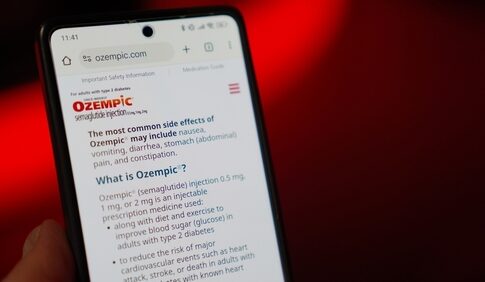
Over 3,000 Americans are now suing pharmaceutical giants for concealing devastating side effects of blockbuster weight loss drugs, alleging corporate greed prioritized billion-dollar profits over patient safety.
Pharmaceutical Profits Over Patient Safety
Novo Nordisk and Eli Lilly face a mounting wave of litigation as federal courts consolidate thousands of claims alleging failure to warn patients about catastrophic side effects. The Ozempic multidistrict litigation reached 3,097 total cases by January 6, 2026, with 3,063 still pending and 27 cases added in November 2025 alone. Plaintiffs claim these pharmaceutical giants aggressively marketed GLP-1 drugs for off-label weight loss while downplaying severe gastrointestinal and vision risks documented in their own clinical data. This represents a troubling pattern where corporate profits trump transparency and informed consent, core values conservatives champion in protecting individual liberty and personal responsibility.
Life-Altering Injuries Mount Across America
Patients report devastating health consequences after using drugs like Ozempic, Wegovy, Mounjaro, and Zepbound. Alleged injuries include gastroparesis resulting in complete inability to eat, non-arteritic anterior ischemic optic neuropathy causing permanent vision loss, intestinal blockages, blood clots, and organ damage. Many plaintiffs require feeding tubes, face chronic pain, lost their careers, and experience profound social isolation. One patient’s graphic description of colon damage underscores the severity ignored in pharmaceutical marketing campaigns. These Americans trusted FDA-approved medications promoted by celebrities and social media influencers, only to suffer consequences that destroyed their quality of life and financial stability.
Explosive Growth in Federal Litigation
The legal battle escalated dramatically between 2024 and 2026. MDL No. 3094 was established in 2024 specifically for gastrointestinal injury claims, with additional consolidation efforts underway for vision loss cases. Between December 2024 and January 2025, 143 new filings targeted Eli Lilly, while 133 additional lawsuits joined Zepbound group litigation between September and October 2025. This explosive growth mirrors the drugs’ widespread adoption, with millions of Americans using these medications primarily for weight loss rather than diabetes treatment. Federal courts now require gastric emptying studies to prove gastroparesis claims, creating evidentiary hurdles some plaintiffs’ attorneys call unfairly restrictive given the documented scope of injuries.
Big Pharma Revenue Boom Amid Legal Firestorm
Despite mounting lawsuits, pharmaceutical manufacturers continue reaping massive profits. Eli Lilly reported a 45 percent revenue increase in the fourth quarter driven by GLP-1 drug sales, demonstrating the financial incentive to maintain aggressive marketing regardless of patient outcomes. The companies defended their products by noting risks appear in drug labels, yet plaintiffs argue these warnings inadequately conveyed the severity and likelihood of debilitating complications. Novo Nordisk and Eli Lilly possess enormous financial leverage to prolong litigation, but consolidated federal proceedings pressure them toward potential settlements. This dynamic exemplifies concerns about unchecked corporate power and insufficient accountability mechanisms, issues resonating with Americans frustrated by establishment institutions prioritizing wealth over welfare.
Enter a X URL
Counterfeit Drugs and Regulatory Failures
Drug shortages throughout 2023-2025 spawned a dangerous secondary market of compounded and counterfeit GLP-1 medications, amplifying patient harm beyond legitimate pharmaceutical channels. These unregulated products emerged as demand far exceeded supply, with some patients turning to questionable sources after being unable to access prescription medications. The FDA’s oversight failures in both preventing counterfeits and ensuring adequate warnings on approved drugs highlight regulatory capture and bureaucratic incompetence. Conservatives recognize this as another example of government agencies failing to protect citizens while pharmaceutical companies exploit loopholes. Americans deserve transparent information about medical risks, not corporate-controlled narratives designed to maximize shareholder returns at patient expense.
Long-Term Health and Economic Consequences
Beyond immediate physical injuries, patients face long-term complications including rapid weight regain after discontinuing medications and potential muscle loss that compromises overall health. Eli Lilly canceled a companion drug trial designed to address muscle loss concerns, raising questions about the company’s commitment to mitigating known risks. Settlement estimates suggest high payouts based on injury severity, potentially costing manufacturers billions while patients struggle with permanent disabilities, medical bills, and lost income. The broader pharmaceutical industry now faces heightened scrutiny on weight loss drug development, with emerging competitors proceeding cautiously. Trust erosion within obesity and diabetes communities may ultimately prove the most significant cost, as Americans question whether corporate medicine truly serves patient interests or simply exploits vulnerable populations seeking health solutions.
Sources:
Ozempic NAION and Gastroparesis Lawsuit – Lawsuit Information Center
Zepbound Lawsuit – Robert King Law Firm
Ongoing Ozempic Lawsuits: What You Need to Know – MMMM Law
Top Ozempic Lawsuit Settlement Amounts – Helbock Law