

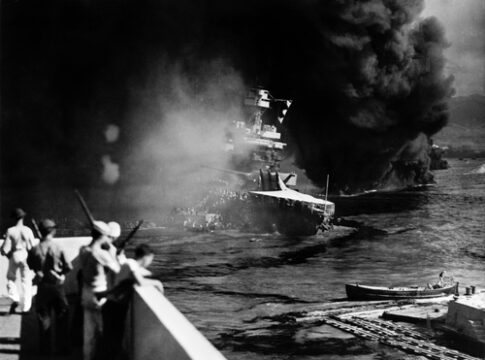
A covert Ukrainian plan to unleash a “Pearl Harbor”‑style drone blitz on Moscow was stopped not by high‑tech defenses, but by Russia’s own chaos, corruption, and drunken incompetence.
Ukraine’s Foiled “Pearl Harbor” Plan Inside Russia
According to reports, Ukraine’s Security Service (SBU) spent months preparing a surprise mass drone attack on Moscow, meant to shock Russia in the same way Pearl Harbor stunned the United States in 1941. The planners allegedly smuggled dozens of drones into Russian territory, coordinating them to strike the capital around May 9, the Kremlin’s highly symbolic Victory Day celebrations. The goal was psychological impact: to shatter the illusion that Moscow remained untouchable while Russia waged war on Ukrainian civilians.
Sources describe an ambitious operation relying on covert networks, hidden stockpiles, and Russian collaborators willing to move or launch the drones from inside the country. Using assets already in Russia would allow Ukraine to bypass layers of air defenses that normally intercept cross‑border attacks. The timing around Victory Day was no accident. As Putin sought to rally his people with Soviet‑style pageantry, Ukrainian planners reportedly wanted explosions over Moscow’s skies to expose the hollowness of his wartime propaganda.
🚨 BREAKING: Russian commentators call Ukraine’s strikes on Belaya, Dyagilevo, Olenya, and Ivanovo airbases “Russia’s Pearl Harbor moment.” pic.twitter.com/yxTLFsZt2o
— Defence Index (@Defence_Index) June 1, 2025
How Drunken Boasting Allegedly Exposed the Plot
The plan did not collapse because of expert counterintelligence or airtight surveillance, but because of something far more basic: alcohol and loose talk. Reports claim several Russian participants became intoxicated and began bragging about the upcoming attacks, treating a covert operation like barroom gossip. That careless behavior allegedly allowed Russian authorities to piece together enough details to roll up parts of the network, seizing drones and arresting accomplices before the planned Victory Day strike could unfold.
This failure underscored a deeper problem inside Putin’s system: a culture where corruption, alcohol abuse, and casual disregard for discipline hollow out even critical security operations. A regime that relies on fear and propaganda instead of real accountability often breeds exactly this kind of decay. For American readers, the episode looks familiar. When institutions stop rewarding merit and responsibility, they start rewarding loyalty, vice, and cover‑ups—and eventually, that rot shows up where it matters most: national security.
What the Operation Reveals About a Changing War
Even though the “Pearl Harbor”‑style strike never happened, the planning itself sends a clear message about how the war has changed. Ukraine is no longer confined to defending its own territory; it is now able to move assets, agents, and weapons deep inside Russia. Smuggling dozens of drones into the heart of the enemy state and preparing coordinated launches near the capital would have been unthinkable in the early months of the conflict. Today, it is a serious enough threat that Moscow reportedly scrambles to disrupt it.
For the United States, this underlines why strength and clarity are essential. When Washington signals weakness, rogue regimes and aggressive powers feel emboldened. When America projects firm leadership, they think twice. Under the Biden years, a confused mix of half‑measures and blank checks convinced many Americans that Washington elites were more interested in funding distant wars than securing the southern border or controlling inflation at home. By contrast, a more focused approach emphasizes burden‑sharing with Europe, protecting U.S. taxpayers, and keeping American deterrence credible without sacrificing core domestic priorities.
Lessons for American Security and Conservative Priorities
The Moscow plot also offers a cautionary tale for Americans about what happens when a government becomes bloated, corrupt, and disconnected from its people. Putin’s system runs on censorship, political prosecutions, and crony “security” services that often drink on the job and skim from every contract. That kind of regime inevitably struggles to keep its own house in order. Conservatives in the United States see echoes of this whenever permanent bureaucrats, unelected regulators, and politicized agencies put ideology and self‑preservation ahead of duty and accountability.
America’s founders built a constitutional system to prevent exactly that kind of rot: checks and balances, limited government, and a clear separation between the military, law enforcement, and partisan politics. When the federal government drifts toward weaponizing agencies, censoring dissent, or prioritizing foreign adventures over secure borders and stable prices, it edges closer to the dysfunction on display in Moscow. Stories like this serve as a reminder that strong nations do not just buy more weapons; they protect the rule of law, demand competence, and keep power on a short leash.