

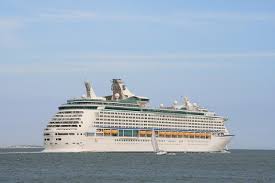
Three passengers are dead and several others fighting for their lives after a rare Hantavirus outbreak struck a cruise ship sailing the Atlantic Ocean, raising alarm bells about how a rodent-borne illness managed to spread aboard what should have been a luxury vessel.
Deadly Virus Confirmed Aboard Atlantic Cruise
The MV Hondius cruise ship departed Argentina bound for Cape Verde when passengers began falling critically ill. The World Health Organization confirmed one laboratory-verified case of Hantavirus with five additional suspected infections. Of the six affected individuals, three have died and one remains in intensive care at a South African hospital. A 70-year-old man and his 69-year-old wife, both possibly Dutch nationals, were among the fatalities. A 69-year-old British passenger was evacuated to South Africa where he battles for survival.
How Rodent Virus Spread on Luxury Liner
Hantavirus typically spreads through contact with infected rodent droppings or urine, according to the World Health Organization. The virus rarely transmits between humans, raising urgent questions about sanitation conditions aboard the cruise ship. While rare, person-to-person transmission can occur and leads to severe respiratory illness requiring intensive medical monitoring. Additional ill passengers remain hospitalized in Cape Verde, off West Africa’s coast, with authorities considering isolation protocols to prevent further spread among the crew and remaining passengers.
Global Health Agencies Launch Investigation
The WHO announced detailed investigations are underway, including advanced laboratory testing and epidemiological studies to determine the outbreak’s source. Medical teams are providing care and support to all passengers and crew members. Virus sequencing is ongoing to understand this particular strain’s characteristics and transmission patterns. Health authorities are working to evacuate two other symptomatic passengers from the vessel for specialized treatment.
What Travelers Need to Know
This outbreak highlights critical concerns about disease prevention aboard cruise ships where passengers live in close quarters. The investigation will likely examine when and where rodent exposure occurred, whether on board or during port stops. Cruise industry safety protocols may face scrutiny as authorities determine how a rodent-borne pathogen reached passengers on what should be a controlled environment. The incident serves as a stark reminder that even luxury travel carries health risks requiring constant vigilance and proper sanitation standards.