

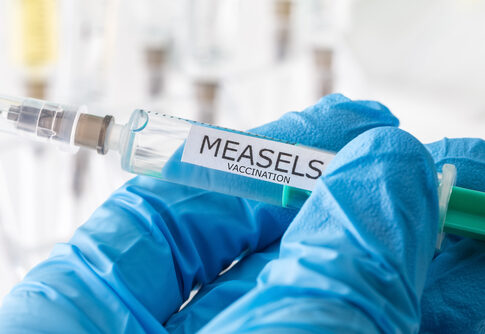
Two confirmed measles infections triggered a full lockdown at a Texas family detention center, exposing how fast public-health risk can collide with border enforcement at scale.
Lockdown at Dilley After Two Measles Cases Confirmed
Texas Department of State Health Services confirmed two active measles infections at the Dilley Immigration Processing Center in South Texas on January 31, 2026. ICE responded by halting all internal movement and quarantining detainees suspected of contact with infected individuals, according to DHS. The facility—also known as the South Texas Family Residential Center—houses families with children awaiting immigration proceedings or deportation decisions, making containment logistically difficult once a virus is inside.
‼️‼️ ICE FACILITY IN DILLEY, TEXAS SHUTDOWN AS MEASLES INFECTIONS CONFIRMED. pic.twitter.com/y6GaJGXm8B
— Maine (@TheMaineWonk) February 2, 2026
DHS spokesperson Tricia McLaughlin said ICE Health Services Corps moved quickly to “quarantine and control further spread,” emphasizing that detainees are receiving proper medical care. Fox News reported DHS describing available services as comprehensive, including medical, dental, and mental health support with 24-hour emergency access. Available reporting does not confirm additional measles cases beyond the initial two, but officials and health experts routinely warn that measles can spread rapidly in close quarters.
Why Congregate Detention Makes Outbreak Control Harder
The Dilley center sits roughly 70 miles southwest of San Antonio and is designed for large-scale family detention, with a reported capacity of about 2,400 people. Public health risk rises in congregate environments because shared spaces, close sleeping arrangements, and constant staff movement can accelerate transmission. That challenge grows when operations require moving detainees for meals, medical checks, intake processes, and legal access—exactly the activity ICE paused when it stopped “all movement” to limit exposure.
The outbreak also lands during a broader measles resurgence. Multiple outlets reported that the United States logged the highest measles case counts in decades in 2025, with totals reported around the low-to-mid 2,200s. Texas was a major hotspot, with a West Texas outbreak tied to hundreds of cases, dozens of hospitalizations, and at least two deaths. That context matters for readers who watched years of public institutions struggle with basic disease containment while political leaders argued over priorities.
Detention Expansion Raises Stakes for Screening and Capacity
Government data cited in reporting shows ICE detention nationwide has risen to more than 70,000 people—up from roughly 40,000 a year earlier. Scaling detention that quickly places pressure on screening, medical staffing, isolation space, and transportation protocols. Even with strong procedures on paper, the practical reality is that every additional facility and bed increases contact networks. When enforcement expands, the need for clear, transparent public-health protocols expands with it.
Oversight Concerns Collide With Quarantine Reality
Some immigration attorneys and advocacy groups say quarantine rules can be used—intentionally or not—to reduce outside visibility. A lawyer for the National Center for Youth Law warned that the measles response could “unnecessarily” restrict lawmakers and attorneys from inspecting conditions, while also expressing concern for families’ physical and mental health. No source in the provided research confirms a formal policy blocking oversight; what is documented is a lockdown that naturally limits movement and access during a contagious outbreak.
Separately, advocacy organizations again criticized family detention itself, with LULAC calling for closure and using harsh language about conditions. Those claims reflect political and legal arguments rather than newly verified findings in the outbreak reporting. What the measles episode does verify is narrower but serious: two confirmed infections were enough to shut down movement at a major family facility. For Americans who prioritize ordered immigration and limited government, the takeaway is straightforward—operational choices at the border still create domestic consequences that demand competent, constitutional administration.
What remains unclear is how long the Dilley lockdown will last, whether more cases will be confirmed, and how ICE will balance medical containment with timely access to counsel and court processes. The best-established facts so far come from state health confirmation and DHS statements describing quarantine steps. Until additional data is released, the public is left with a familiar problem: big systems can move fast to detain, but they often struggle to communicate clearly when health and oversight questions hit at the same time.
Sources:
ICE Halts “All Movement” at Texas Detention Facility Due to Measles Infections
ICE halts all movement due to measles at Texas detention center that held 5-year-old, dad
ICE halts all movement at federal immigration detention center in Texas due to measles outbreak
Measles Infections Hit ICE Detention Center Where 5-Year-Old Was Held
2 measles cases reported inside Dilley, Texas immigration processing center