

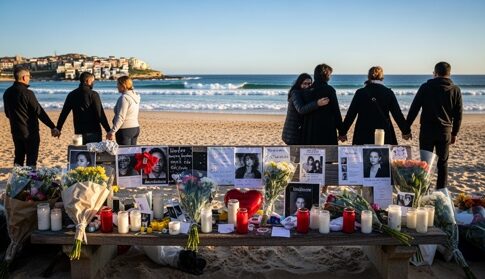
A Syrian-born Muslim man who risked his life to stop Islamic State terrorists targeting Jews at Bondi Beach now faces shocking criticism from within his own community, revealing a disturbing divide over heroism and religious loyalty.
The Heroic Intervention That Sparked Controversy
Ahmed al-Ahmed, a 43-year-old Syrian-born father of two, charged an ISIS-linked gunman from behind during a terror attack on a Jewish Hanukkah celebration at Bondi Beach. Al-Ahmed tackled the older attacker, seized his weapon, and pointed it back at him before being shot twice by the terrorists.
His actions likely saved countless lives during the December 14 attack that killed 15 people and wounded 40 others. The gunmen, a father-son duo displaying an Islamic State flag, specifically targeted the Jewish religious gathering with firearms and homemade bombs.
Islamic Extremists Condemn the Muslim Hero
Despite widespread praise from Australian and Israeli leaders, al-Ahmed faces harsh criticism from radical Islamic voices who view his intervention as betrayal. Some Muslim commentators argue he should not have protected Jewish victims, revealing the antisemitic ideology that persists within specific segments of the community. These critics see his heroism as collaboration with “enemies of Islam,” demonstrating the toxic mindset that fuels terrorist attacks. The backlash exposes how extremist interpretations of religious duty can corrupt basic human decency and moral courage.
The surviving gunman had documented ties to Sydney’s Street Dawah Movement, which has been linked to Islamic State recruitment and radicalization. Isaac El Matari, a convicted ISIS sympathizer associated with Street Dawah, was jailed in 2019 for plotting insurgency and attempting to acquire weapons. This network’s influence suggests a broader extremist infrastructure operating in Australia, raising serious questions about counter-terrorism failures and community infiltration by jihadist ideology.
Government Failures Enable Terror Networks
Prime Minister Anthony Albanese initially rejected criticism but later admitted “more could have been done” to prevent the attack, accepting partial responsibility for the intelligence failure. The Albanese government’s recognition of Palestine earlier in 2025 drew sharp rebuke from Israeli Prime Minister Benjamin Netanyahu, who accused Australia of “pouring fuel on antisemitic fire.” These policy decisions may have emboldened radical elements while weakening security cooperation with key allies in the fight against Islamic terrorism.
The attack highlights dangerous gaps in Australia’s counter-terrorism apparatus, particularly regarding known extremist networks like Street Dawah. Federal and state agencies failed to adequately monitor individuals with documented radical connections, allowing terrorists to operate freely until they struck. Jewish community leaders rightfully demand enhanced security measures and accountability from officials who failed to protect innocent citizens celebrating their religious heritage at a public event.