

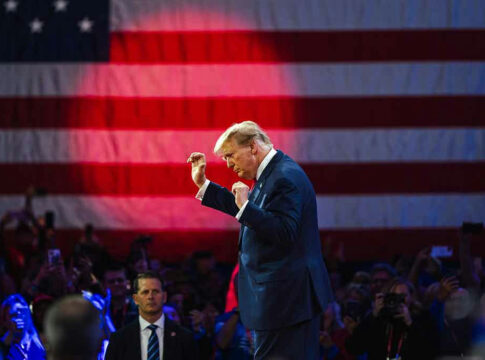
Trump’s proposed $2,000 “dividend” checks and 50-year mortgages aim to ease affordability concerns but raise fiscal sustainability questions.
Trump’s Economic Strategy and Proposals
President Trump has unveiled a series of economic proposals aimed at addressing the affordability crisis that continues to plague American households. Among these proposals are $2,000 per-person “dividend” checks set for 2026 and the introduction of 50-year mortgages to alleviate housing costs. These measures are part of a broader strategy to bolster Republican prospects in the 2026 midterms and address voter anger over high living costs. However, these proposals have sparked debate over potential inflationary effects and fiscal sustainability.
Trump’s proposals are framed within a larger mix of tax cuts, monetary pressure on the Federal Reserve, and selective tariff rollbacks. His economic agenda, often referred to as the “One Big Beautiful Bill Act,” aims to provide substantial fiscal stimulus in 2026, with major tax cuts expected to kick in. This strategy raises significant questions about the long-term impact on inflation and federal deficits, as experts warn about the risks of combining these measures with continued pressure on the Fed to cut interest rates.
Potential Political and Economic Implications
Politically, the promise of future cash payments and lower mortgage payments is likely to be popular with many voters, particularly lower- and middle-income households. These proposals could help Republicans frame themselves as delivering tangible relief, potentially swaying voter sentiment in their favor. However, Democrats and some experts criticize these measures as fiscally reckless, arguing they could lead to vote-buying and exacerbate economic challenges.
Economically, if implemented, the $2,000 payments would inject significant cash into the economy, boosting consumer spending and short-term growth. However, this influx of funds, combined with large tax cuts, could lead to overheating, higher deficits, and upward pressure on inflation. The 50-year mortgages, while reducing monthly payments, could increase long-term interest costs and encourage higher leverage, potentially increasing systemic risk in the housing finance system.
Challenges and Uncertainties
Despite the ambitious nature of these proposals, several challenges and uncertainties remain. The enactment of these measures depends heavily on Republican control of Congress, which Trump himself has acknowledged as uncertain. Without legislative backing, these proposals remain political promises rather than binding commitments. Additionally, the concept of 50-year mortgages remains largely untested on a federal scale, with no dominant product or mandate currently in place.
Trump Dangles Cash Payments to Assuage Affordability Concerns – The New York Times
"Stimmie-checks for everyone" drives inflation and harms "affordability", but buys votes.https://t.co/va2bd8kifi— SeekingStockNirvana 🇨🇦🇺🇦 (@StockNirvana) December 17, 2025
The implications of these proposals extend beyond immediate economic effects, raising concerns about fiscal sustainability and long-term affordability. Combined with major tax cuts, repeated or large one-time payments could significantly raise federal deficits and debt, complicating future policy options. Moreover, experts warn that if fiscal stimulus is not matched by productivity growth, it could re-accelerate inflation, undermining the intended relief for affordability issues.
Sources:
Fortune: Trump Economic Policies and 2026 Midterm Elections
Groundwork Collaborative: Federal Action to Lower Mortgage Payments
Kiplinger: Are New Trump Payments Coming?